Building Tomorrow’s Cities: A Guide to Sustainable Urban Development
Our world changes quickly. Cities are growing fast. This growth brings many challenges. We need smarter approaches. Sustainable urban development is key. It shapes our future. It impacts daily lives. We must plan wisely. This article explores vital aspects. It offers clear insights. We examine real solutions. Our focus is on long-term viability. Future generations depend on us. Their well-being is paramount. We seek a better urban future.
The Foundation of Modern Urban Living
Cities are centers of life. They drive economies forward. People flock to them. They seek opportunities. Urban populations keep rising. This trend creates pressure. Resources become strained. Infrastructure faces stress. Traffic jams are common. Pollution levels increase. Green spaces shrink rapidly. These issues demand attention. Global urbanization trends show this. We cannot ignore these signs. Sustainable urban development offers a path. It provides a blueprint. This framework ensures progress. It respects our planet. It supports communities. It balances needs effectively.
Historically, cities grew organically. Planning was often reactive. Industrial revolutions changed things. Cities expanded greatly then. Environmental concerns emerged slowly. Social equity became an issue. Modern thinking evolved. It recognizes interconnectedness. Cities are complex systems. Every part affects others. Our approach must be holistic. It needs foresight and care. We build for the future now.
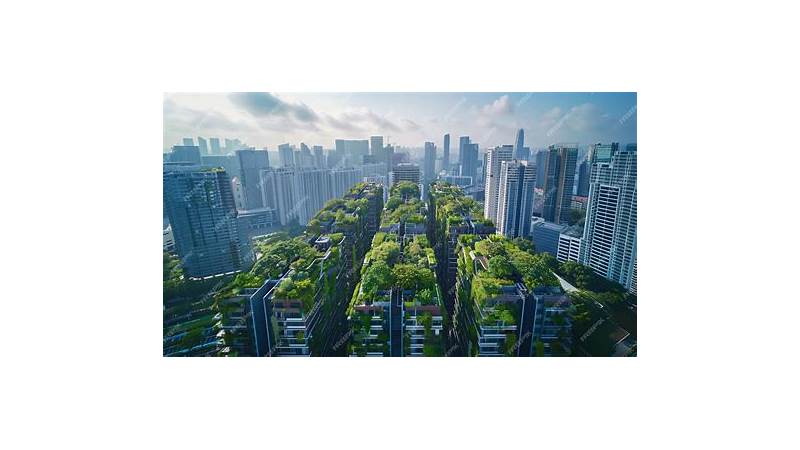
Image: A glimpse into a potential future city, designed with sustainability in mind.
Pillars of Sustainable Urban Development
Sustainable urban development rests on pillars. These support its structure. Each pillar is crucial. Environmental health is one. Economic vitality is another. Social equity forms the third. Governance ties them all. Ignoring one weakens the system. We must integrate these fully.
Environmental Stewardship in Cities
Cities consume vast resources. They generate much waste. This impacts ecosystems greatly. We must reduce this footprint. Green building is a start. It uses efficient designs. Renewable energy is vital. Solar panels are common. Wind turbines also help. Public transport reduces emissions. Cycling paths encourage active travel. Waste management improves sanitation. Recycling programs are effective. Water conservation is paramount. Rainwater harvesting saves water. Protecting green spaces helps biodiversity. Urban forests clean air. They cool city areas. These steps foster a healthier environment. They improve life quality. Green infrastructure solutions are key. They make cities resilient.
Fostering Economic Vitality
A thriving city needs jobs. It requires a strong economy. Sustainable urban development supports this. It promotes green industries. These create new employment. Local businesses are encouraged. They build community wealth. Innovation hubs drive progress. Technology plays a big role. Smart city solutions increase efficiency. They optimize resource use. This attracts investment. It boosts economic growth. A robust economy supports social programs. It funds infrastructure projects. This creates a positive cycle. Everyone benefits from this.
Ensuring Social Equity and Inclusion
Cities should serve all residents. Equity is a core principle. Access to services matters. Good housing is essential. Affordable options are needed. Quality education empowers people. Healthcare must be accessible. Safe public spaces promote interaction. Parks and plazas are vital. Community centers build bonds. Cultural diversity enriches life. Affordable housing initiatives fight inequality. We must involve all voices. Participatory planning is crucial. It ensures fair outcomes. Everyone deserves a good life. Sustainable urban development aims for this.
Effective Governance and Planning
Good leadership is indispensable. Clear policies guide action. Regulations ensure standards. Stakeholder collaboration is key. Governments work with citizens. Businesses also contribute. Non-profits play a role. Transparency builds trust. Accountability ensures results. Long-term visions are necessary. Strategic plans provide direction. Adaptability is also important. Cities evolve constantly. Planning must be flexible. This ensures sustained progress.
Practical Steps for Sustainable Urban Development
Transitioning to sustainability takes effort. It requires concrete actions. Individuals can contribute. Local governments lead the way. Businesses innovate constantly. Here are some practical steps.
Embrace Smart Growth Principles
Smart growth guides development. It prioritizes existing areas. It avoids urban sprawl. Mixed-use developments are preferred. They combine homes and shops. Public transport is emphasized. Walkable neighborhoods are promoted. This reduces car dependency. It fosters community life. Density is managed carefully. It supports efficient services. Infrastructure costs are lower. This approach saves resources.
Invest in Green Infrastructure
Green infrastructure mimics nature. It handles stormwater runoff. Permeable pavements absorb water. Rain gardens filter pollutants. Green roofs insulate buildings. They reduce energy use. Urban parks provide recreation. They improve air quality. They support local wildlife. These investments pay off. They enhance city resilience. They boost property values. They improve public health.
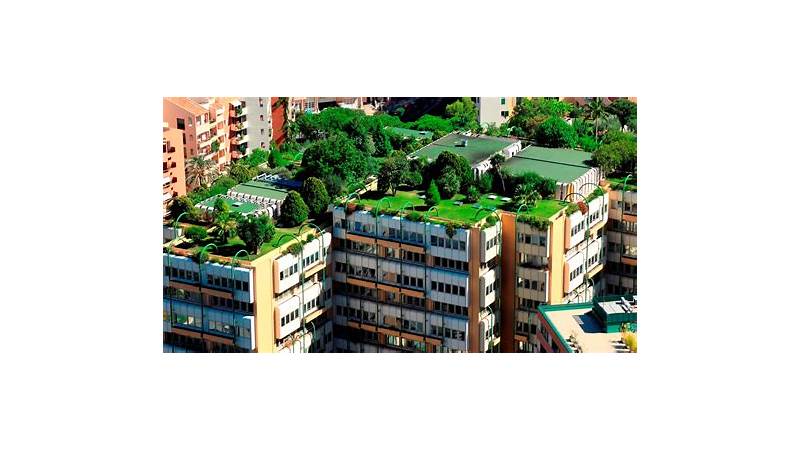
Image: A vibrant urban park demonstrates green infrastructure at work.
Promote Renewable Energy Adoption
Fossil fuels harm our planet. Renewable energy is cleaner. Solar power is increasingly affordable. Wind energy offers great potential. Geothermal systems heat homes. Cities can incentivize adoption. Tax breaks help homeowners. Subsidies support businesses. Community solar projects exist. They broaden access to clean power. Energy efficiency reduces demand. Better insulation helps buildings. Smart grids optimize distribution. These efforts cut emissions. They create energy security.
Strengthen Public Transportation
Cars cause congestion. They produce pollution. Public transport offers an alternative. Buses, trains, and trams connect cities. Investing in these systems is crucial. Expanding routes serves more people. Making them affordable helps ridership. Integrating different modes is smart. Bike-sharing programs complement transit. Walkable infrastructure encourages use. This reduces traffic pressure. It cleans our air. It makes cities more livable.
Engage the Community Actively
Citizens are city stakeholders. Their input is invaluable. Public forums gather ideas. Online platforms enable feedback. Community workshops build consensus. Local residents understand needs. They offer unique perspectives. Empowering them fosters ownership. It ensures projects meet real demands. This collaboration strengthens plans. It builds a sense of belonging. Sustainable urban development thrives with participation.
Implement Circular Economy Principles
The linear economy wastes resources. We take, make, and dispose. A circular economy is different. It keeps resources in use. Recycling is a key component. Reusing materials saves energy. Repairing items extends their life. Remanufacturing creates new value. Cities can lead this shift. They can support repair cafes. They can promote sharing economies. This reduces waste significantly. It creates new business models. It lessens environmental impact.
The Future is Sustainable Urban Development
The path ahead is clear. We must build better cities. Sustainable urban development is not optional. It is absolutely necessary. Our planet demands it. Our people deserve it. Challenges are significant. Solutions are within reach. We need commitment and vision. Every decision matters. Every action counts. We shape tomorrow today.
Think of a young family. They move to a city. They seek a good life. They want clean air. They desire safe parks. They need good schools. They hope for opportunities. Sustainable urban development provides this. It offers hope for generations. It creates resilient places. It fosters vibrant communities. It balances progress with preservation. This vision is achievable. We must work together. Our collective effort builds the future. Let us embrace this challenge. Let us build truly sustainable cities.