OCP Insurance Definition Navigating Key Coverage
Understanding business insurance is vital. Many policies exist. One crucial type is OCP insurance. This article explores the OCP insurance definition. It clarifies who needs this coverage. We will break down its components. Businesses face various risks. Protecting your assets is paramount. An accurate OCP insurance definition helps. It ensures proper risk management. Let’s delve into this specific policy type. It offers unique protections. You will gain clear insights here.
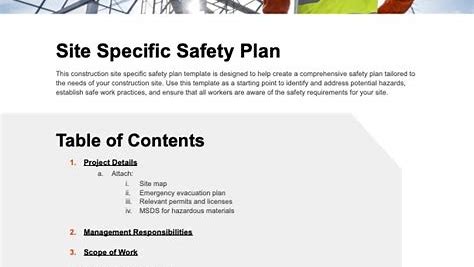
The Landscape of Business Liability
Every business faces liability. Accidents can happen anytime. Lawsuits are a constant threat. General Liability insurance is common. It covers many broad risks. Property damage falls under it. Bodily injury claims too. But some situations need more. Standard policies have limits. This is where specialized coverage steps in. OCP insurance is one such example. It addresses a specific gap. Understanding this gap is key. It highlights OCP’s importance. Without it, businesses can be exposed. Financial ruin is a real possibility. Risk assessment is crucial. Knowing your exposures helps. It guides your insurance choices.
OCP Insurance Definition Explained
OCP stands for Owner’s and Contractor’s Protective. This is the core OCP insurance definition. It is a specific liability policy. The coverage protects two parties. It names the owner and general contractor. It covers their liability. This liability arises from operations. These operations are by independent contractors. The policy is project-specific. It offers peace of mind. Let’s break down each part. The “Owner’s” aspect is clear. It safeguards the project owner. The “Contractor’s” refers to the general contractor. Both are protected from subcontractor actions. This policy is often overlooked. However, it provides critical protection. It fills a unique niche. [See also: General Liability vs. OCP Insurance]
Who Benefits from OCP Insurance?
Many entities benefit greatly. General contractors often require it. They hire many subcontractors. Subcontractors perform the actual work. Property owners also need it. They contract for large projects. Consider a large construction firm. They build a new office tower. They hire specialized subs. These include electricians and plumbers. Each sub carries their own insurance. But accidents can still happen. A sub’s negligence could cause harm. The owner or general contractor might be liable. This is vicarious liability. OCP insurance shields them. It covers claims against them. These claims stem from the sub’s work. It’s a layer of defense. This protects their main business. It avoids huge financial hits. Real estate developers use it often. Government entities also demand it. Any entity overseeing complex projects benefits.
Common Scenarios for OCP Coverage
Imagine a bustling construction site. A subcontractor installs wiring. An electrical fire starts. It damages adjacent property. It injures a passerby. The general contractor faces a lawsuit. The building owner is also sued. Their general liability might not cover it fully. Especially if the claim is due to the sub’s fault. This is where OCP steps in. The OCP insurance definition becomes clear. It covers their defense costs. It pays for damages. Another scenario involves maintenance. A property owner hires a landscape company. A worker accidentally severs a utility line. This causes widespread disruption. The owner faces claims. OCP insurance protects the owner. It covers liability from the landscaper’s work. These are tangible examples. They show OCP’s value. It protects against unforeseen events. It manages contractor-related risks.
Understanding the “Protective” Aspect
The term “protective” is key. It highlights the policy’s purpose. It protects the named insured. This means the owner or general contractor. It shields them from vicarious liability. Vicarious liability means indirect responsibility. It arises from actions of others. Specifically, independent contractors. The policy does not cover the subcontractor. The sub must have their own insurance. OCP is an extra layer. It acts as a safety net. It prevents blame shifting. It covers the owner’s exposure. It covers the general contractor’s exposure. This is crucial for project stability. It ensures financial security. The OCP insurance definition confirms this protection. It’s not about covering direct fault. It’s about covering indirect fault. This distinction is vital.
Key Exclusions and Limitations
Like all policies, OCP has limits. It does not cover direct liability. If the owner is directly negligent, it won’t apply. For example, if the owner provided faulty blueprints. It also won’t cover workers’ compensation claims. Subcontractors’ employees fall under that. The subcontractor’s own CGL policy should cover their direct fault. OCP is specific to vicarious liability. It’s not a substitute for other policies. It’s a complement. Understanding these exclusions is vital. It prevents coverage gaps. Always read your policy document. Consult with your insurance broker. They can clarify any doubts. A clear OCP insurance definition helps here. It defines the boundaries of coverage. Knowing what is excluded is as important. It ensures comprehensive protection strategy. [See also: Common Insurance Policy Exclusions]
OCP vs. Additional Insured Endorsements
This is a common point of confusion. Many think they are the same. They are not. An additional insured endorsement adds an entity. It adds them to a subcontractor’s policy. The subcontractor’s policy covers them. OCP is a separate policy. It is purchased by the owner or general contractor. It’s primary coverage for their vicarious liability. The OCP insurance definition is unique. It stands alone. An additional insured endorsement is secondary. It relies on the sub’s policy. If the sub’s limits are exhausted, you’re exposed. OCP provides dedicated limits. It offers broader protection. It avoids relying on another’s policy. Both have their place. Many projects use both. OCP provides stronger, more direct protection. It gives the owner more control. It’s a proactive risk step.
Practical Steps for Securing OCP Coverage
Obtaining OCP insurance is straightforward. First, assess your project needs. Is it a large, complex undertaking? Are multiple subcontractors involved? These are good indicators. Next, contact a specialized broker. They understand complex policies. They can guide you effectively. Provide project details clearly. Share contracts with subcontractors. This helps determine proper coverage. The broker will then secure quotes. Compare different providers. Look at limits and premiums. Understand the OCP insurance definition fully. Ensure it aligns with your needs. Finally, purchase the policy. Keep all documentation safe. Review it periodically. Confirm coverage remains adequate. Don’t wait until an incident occurs. Proactive planning saves money. It prevents headaches later. Always seek professional advice. Insurance is too critical to guess.
Conclusion and Final Insights
The OCP insurance definition is clear now. It’s a specific liability policy. It protects owners and general contractors. It covers vicarious liability. This liability stems from subcontractor work. It’s a critical layer of protection. Many businesses operate without it. This leaves them vulnerable. Understanding your risk is the first step. Proper insurance follows that. OCP insurance is not merely an option. For many, it’s a necessity. It ensures project stability. It safeguards financial health. Don’t underestimate its value. Consult with insurance experts. Protect your business diligently. Your future depends on it. Be informed. Be secure. The right coverage makes all the difference.